
How to Create a Strong Brand Presence at Trade Exhibitions Effectively
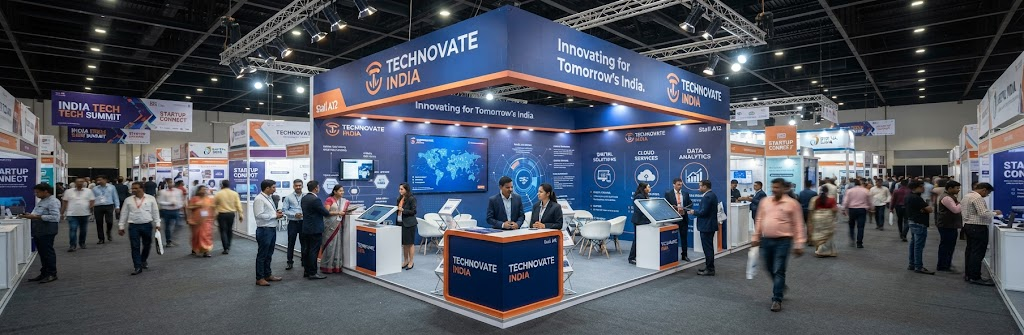
How to Create a Strong Brand Presence at Trade Exhibitions starts with understanding how visitors see and remember a business at a busy event. Effective Trade Expo Branding helps a business communicate its identity clearly and create a professional presence that visitors can remember. For businesses participating in exhibitions in Coimbatore, thoughtful branding can make the difference between being noticed and being overlooked.
A strong exhibition presence starts well before the event. From booth graphics and messaging to lighting, displays, and visitor interaction, every element should work together. The goal is not to make the booth look crowded or expensive, but to make the brand easy to understand and remember.
Why a Strong Brand Presence Matters at Trade Exhibitions
Exhibitions are busy environments where several businesses compete for attention at the same time. Visitors often walk past multiple booths within a short period. This makes the first impression particularly important.
Effective Exhibition Branding Services can help businesses create a clear visual identity that visitors can understand quickly. The company name, logo, colours, key message, products, and services should be presented in a way that feels connected rather than appearing as separate elements.
For example, a manufacturing company exhibiting industrial equipment may need to communicate its product categories, applications, and key capabilities. Instead of filling the booth with lengthy descriptions, the business can use large product visuals, short messages, demonstration areas, and strategically placed graphics.
Brand recognition is another important factor. When the same colours, typography, logo, messaging style, and visual elements are used consistently across the booth and supporting materials, visitors are more likely to associate the experience with the business.
Planning also matters. A booth designed at the last minute may focus heavily on appearance while overlooking practical concerns such as visitor movement, product demonstrations, storage, lighting, and communication. A well-planned Exhibition Stall Branding approach considers both visual presentation and visitor experience.
Current Trends in Trade Expo Branding
Modern exhibitions are becoming more focused on experiences rather than static displays. Businesses are looking for ways to communicate more information without making their booths visually overwhelming.
One noticeable trend is the use of minimal exhibition booth design. Clean layouts, larger graphics, limited text, and clear visual hierarchy can make a booth easier to understand from a distance. Important information should be visible first, while supporting details can be provided through conversations, brochures, demonstrations, or digital resources.
Interactive displays are also useful when they support the purpose of the exhibition. Touchscreens, product demonstrations, digital presentations, and multimedia displays can encourage visitors to spend more time at a booth. However, technology should solve a communication problem rather than being included simply because it looks impressive.
QR codes can also connect physical exhibitions with digital experiences. A visitor could scan a code to view a product catalogue, technical information, enquiry form, demonstration video, or company website. This creates a simple connection between the physical booth and online communication.
Sustainable materials are another consideration for businesses planning exhibitions. Reusable structures, modular displays, recyclable graphics, and durable materials can reduce the need to create completely new booth elements for every event.
Lighting deserves attention as well. Proper lighting can highlight products, improve readability, and make important branding elements more visible. Similarly, space-efficient layouts help businesses make better use of smaller exhibition areas without making them feel crowded.
These developments show that Trade Exhibition Marketing is increasingly connected to visual communication, visitor engagement, and digital interaction.
Benefits of Effective Trade Expo Branding
Better Brand Visibility
A well-organised booth can help a business stand out in a crowded exhibition hall. Large and readable brand elements allow visitors to identify the company even when they are several metres away.
Visibility does not mean using the largest possible graphics or the brightest colours. It means placing the right information in the right locations. The company name and core offering should generally be easier to notice than secondary information.
Stronger First Impressions
Visitors form an initial opinion quickly. A professional booth can communicate that a business is organised, prepared, and serious about its products or services.
Good Professional Trade Expo Branding Services focus on creating a consistent experience rather than decorating the booth with unrelated design elements. The presentation should reflect the business's actual identity and industry.
Clear Communication
One of the biggest advantages of good exhibition branding is better communication. Visitors should be able to understand what the company does without having to read long paragraphs.
A simple headline, supporting statement, product visuals, and clearly organised information can make the message easier to absorb. This is particularly useful when visitors are comparing several exhibitors.
Improved Visitor Engagement
A well-designed space can encourage visitors to stop, explore, ask questions, and interact with the team. Product demonstrations, sample displays, interactive screens, and clearly defined discussion areas can make the booth more engaging.
For example, an engineering company could demonstrate how a machine works instead of relying entirely on printed product descriptions. The demonstration gives visitors something practical to discuss with the sales team.
Consistent Brand Identity
An exhibition should feel like an extension of the company's overall brand. The logo, colours, fonts, imagery, messaging, and communication style should remain consistent.
This consistency can strengthen brand recognition and make it easier for visitors to connect the exhibition experience with the company's other marketing activities.
Better Use of Exhibition Space
Every part of a booth has a purpose. Walls, counters, display areas, screens, lighting, and meeting spaces should be planned according to visitor behaviour.
Good Exhibition Stall Branding avoids wasting valuable space on unnecessary information. Instead, it creates a balance between branding, product presentation, interaction, and practical requirements.
Common Mistakes Businesses Make
Using Too Much Information
One common mistake is covering every available surface with text. Visitors rarely stop to read long paragraphs while walking through a busy exhibition.
Businesses should identify the most important messages and present them clearly. Detailed information can be shared through conversations, catalogues, QR codes, or digital resources.
Creating Weak Visual Hierarchy
If the company name, product information, promotional message, and contact details all have the same visual importance, visitors may not know where to look first.
A strong design should guide the eye. Primary information should be prominent, while supporting details should remain easy to find without competing for attention.
Ignoring the Target Audience
A booth designed without understanding its audience may communicate the wrong message. A technical audience may need specifications and demonstrations, while a consumer audience may respond better to product experiences and simple benefit-focused messaging.
Understanding who will attend the exhibition should therefore influence the entire branding approach.
Poor Booth Layout
A visually attractive booth can still perform poorly if visitors cannot move comfortably through it. Blocked entrances, poorly positioned counters, and crowded displays can make the space less inviting.
Businesses should consider how visitors approach the booth, where they stop, how they interact with products, and where private conversations can take place.
Choosing Appearance Over Purpose
A visually impressive booth is not automatically an effective one. Every design choice should support a business objective.
Before approving the final design, businesses should ask whether the booth communicates the brand clearly, supports visitor interaction, and makes the intended products or services easy to understand.
Forgetting Post-Exhibition Follow-Up
The exhibition does not end when the booth is dismantled. Leads, enquiries, conversations, and contacts collected during the event need appropriate follow-up.
A simple system for recording visitor details and tracking enquiries can help businesses turn exhibition conversations into meaningful business opportunities.
Expert Tips for Creating a Strong Exhibition Brand Presence
Start by defining the purpose of the exhibition. A business may want to introduce a new product, generate enquiries, meet distributors, strengthen relationships, or increase brand awareness. The objective should influence the booth design and communication.
Next, identify the target audience. Understand what visitors are likely to want to know and what questions they may have. This helps businesses choose the right messages, displays, demonstrations, and supporting information.
Keep the main message simple. Visitors should be able to understand the company's core offering quickly. If a visitor has to read several sections before understanding what the business does, the communication needs to be simplified.
Plan the booth layout early. Think about entrances, product displays, counters, meeting areas, storage, screens, and visitor movement. A good layout should feel open and easy to navigate.
Maintain brand consistency across every visible element. The booth, staff materials, product displays, brochures, digital screens, and QR-linked content should all present a unified identity.
Choose materials based on actual requirements. Consider durability, appearance, transportation, installation, reuse, and maintenance. Reusable exhibition structures can be particularly useful for businesses that attend multiple events.
Lighting should support the design rather than overpower it. Use it to highlight important branding, products, demonstrations, and key areas of the booth.
Interactive elements should also have a clear purpose. A product demonstration or touchscreen is useful when it helps visitors understand something more easily. Technology should not become a distraction.
Businesses should also connect the physical experience with digital channels where appropriate. A QR code can lead visitors to product information, enquiry forms, videos, catalogues, or other useful resources.
Budget and timeline should be considered from the beginning. Design, production, printing, transportation, installation, electrical requirements, and last-minute changes can all affect the final cost and schedule.
When selecting a provider, review relevant experience and previous exhibition projects. For businesses looking for a Trade Expo Branding Company in Coimbatore, it is useful to evaluate whether the provider understands booth design, brand communication, production requirements, and the practical realities of exhibitions.
DESIGNEXT brings more than 12 years of industry experience and has worked with 260+ happy clients. Experience can be useful when coordinating different branding elements, but businesses should still choose solutions based on their specific exhibition objectives and requirements.
For a deeper look at the planning process and ways to build a stronger exhibition identity, How to Create a Strong Brand Presence at Trade Exhibitions can help businesses understand how branding decisions fit together before an event.
Frequently Asked Questions
1. What is Trade Expo Branding?
Trade Expo Branding is the process of presenting a company's identity consistently across its exhibition booth and related promotional elements. It can include booth graphics, signage, colours, messaging, product displays, lighting, digital screens, and visitor experiences.
2. How can exhibition branding attract more visitors?
Clear messaging, strong visibility, organised layouts, relevant product displays, and interactive experiences can make a booth more noticeable and inviting. The design should quickly communicate what the business offers and why it is relevant to visitors.
3. What should be included in an exhibition booth?
An exhibition booth may include the company logo, key message, product or service information, graphics, product displays, demonstration areas, meeting space, lighting, signage, and digital elements. The exact combination should depend on the business objective and available space.
4. Is digital technology necessary for exhibition branding?
No. Digital technology is optional. Screens, QR codes, touchscreens, and digital presentations can be useful when they improve communication or visitor interaction, but a well-planned booth can also be effective without extensive technology.
5. How early should businesses plan their exhibition branding?
Businesses should begin planning as early as practical, especially when custom booth structures, graphics, displays, or interactive elements are involved. Early planning allows enough time for design approval, production, testing, transportation, and installation.
Conclusion
A strong exhibition presence is built through clear communication, consistent branding, thoughtful space planning, and a good understanding of visitor needs. The purpose is not simply to create an attractive booth but to make the brand easy to recognise, understand, and remember.
Whether a business is attending a local exhibition in Coimbatore or a larger industry event, effective Trade Expo Branding should support the actual goals of participation. When visual design, messaging, products, people, and visitor experience work together, an exhibition space can become a meaningful point of connection between a business and its audience.