
What Is a Video Wall and Where Is It Used
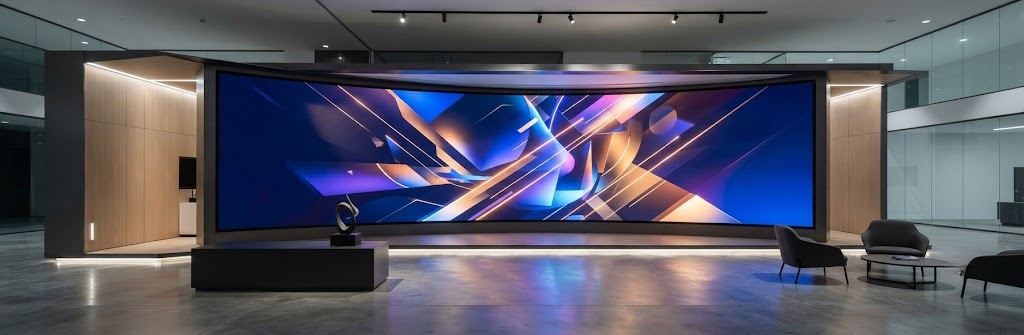
A Video Wall Installations solution is a large visual display created by combining multiple screens or LED panels to form one continuous viewing surface. Unlike a single television or monitor, a video wall can cover a much larger area and deliver content that is easier to notice from a distance. Businesses use it for strong visual communication in offices, showrooms, events, retail spaces, and public environments.
Today, businesses in Coimbatore and other growing commercial areas are using large-format displays to present products, information, branding, announcements, and multimedia content. But what exactly is a video wall, how does it work, and where is it most useful? Understanding these basics can help businesses decide whether this type of Digital Display Solutions is suitable for their space.
Why This Topic Matters
Modern customers and visitors are surrounded by visual information. A plain wall, printed poster, or small display can sometimes struggle to attract attention, especially in busy commercial environments. A well-planned video wall creates a larger visual area that can communicate information clearly and dynamically.
For example, a retail store can use a video wall to display product launches, promotional videos, seasonal campaigns, or brand stories. A corporate office can use one for presentations, company announcements, dashboards, or reception-area branding. In an exhibition environment, large digital screens can support product demonstrations and make a booth easier to identify from across the venue.
First impressions also matter. When visitors enter a showroom, hotel lobby, office reception, or event venue, a professionally designed display can immediately establish a modern and organised visual environment. The objective is not simply to make a space look impressive. The content should have a clear purpose and help visitors understand the business.
A video wall can also support brand recognition. Logos, product visuals, videos, animations, and messages can be displayed in a consistent format. This is particularly useful for companies that regularly participate in exhibitions or operate multiple customer-facing locations.
For businesses planning an event or exhibition, the display should be considered as part of the overall visitor experience rather than added at the last minute. Screen size, viewing distance, content format, power requirements, mounting, and visitor movement all need to be considered before installation.
Current Trends and Developments in Video Wall Installations
Seamless LED Displays
Technology has made video walls more flexible than traditional large displays. Businesses can now choose different screen configurations based on available space, viewing distance, content needs, and installation conditions.
One important development is the wider use of LED-based displays. An LED Video Wall Installation creates a large seamless visual surface without the prominent bezels found in some traditional multi-screen arrangements. This makes LED displays suitable for exhibitions, showrooms, retail spaces, corporate offices, and other large environments.
High-Resolution Displays
High-resolution displays are useful in locations where visitors stand close to the screen. Showrooms, reception areas, meeting rooms, and exhibition booths may require clear images and readable text from shorter viewing distances.
Businesses should consider screen resolution and pixel pitch based on the actual viewing distance. Choosing the right specifications helps maintain image quality without spending unnecessarily on features the space does not require.
Flexible Digital Content
Content flexibility is another major advantage of modern video walls. Businesses can display videos, images, presentations, announcements, live feeds, product information, and promotional content on the same display.
This allows one screen system to support different communication needs. For example, a showroom can display product videos during business hours and switch to promotional content for a special campaign.
Interactive Experiences
Interactive experiences are becoming more common in digital display environments. Depending on the application, video walls can work with touch interfaces, QR codes, sensors, presentation systems, and other digital technologies.
These features can encourage visitors to explore products, access additional information, or interact with a brand. However, businesses should use interactive features only when they provide a clear benefit to the audience.
Better Installation Planning
Modern Professional Video Wall Setup requires more than choosing screens and mounting them on a wall. Businesses should consider power requirements, ventilation, cable management, mounting structures, content sources, maintenance access, and the surrounding environment.
Good planning also helps businesses select the right display size and configuration for the available space. A practical installation should look professional while remaining easy to maintain and operate over time.
Benefits of Video Wall Installations
Better Visual Impact
A large display naturally creates a stronger visual presence than a small screen. This can be useful in locations where businesses need to communicate from a distance.
For example, a showroom may use a large display behind a product area to demonstrate how a product works. In an exhibition hall, a video wall can help a booth remain visually noticeable among many competing displays.
Clearer Communication
Large screens provide more space for visual storytelling. Businesses can combine short text, graphics, product images, videos, and animations instead of relying entirely on printed material.
This is particularly useful when a business has several products or services but wants to communicate them in a simple and organised way.
Flexible Content
One of the biggest advantages of a video wall is that its content can be changed without replacing the physical display.
A retail business might show promotional content in the morning, product information during the day, and a brand video during a special event. Corporate offices can update announcements and presentations as required.
Stronger Brand Presentation
Consistent visual communication helps businesses create a recognisable environment. Colours, logos, product visuals, animations, and campaign content can be presented according to the brand's identity.
This can be especially useful for reception areas, showrooms, experience centres, hotels, and exhibition booths.
Better Visitor Experience
A video wall can become more than a display. When planned correctly, it can guide attention, explain a product, provide useful information, or support an interactive experience.
The important point is relevance. Content should answer what visitors want to know instead of simply filling the screen with moving graphics.
Efficient Use of Large Spaces
Large blank walls can sometimes be difficult to use effectively. A properly planned display can turn such an area into a communication point.
Before choosing the equipment, businesses should consider wall dimensions, viewing distance, ambient lighting, electrical requirements, and the type of content that will be displayed.
Common Mistakes Businesses Make
Choosing the Screen Before Defining the Purpose
A common mistake is selecting a display based only on size or appearance. The right solution depends on how the screen will be used.
A reception display has different requirements from a control room, retail screen, or exhibition display. Businesses should first define the purpose and then select the appropriate technology.
Ignoring Viewing Distance
A screen that looks excellent from a distance may not be ideal when visitors stand close to it. Resolution and pixel pitch should be considered according to the viewing environment.
Businesses should therefore evaluate where people will stand and how close they are likely to get to the display.
Using Too Much Content
A large screen does not mean every part of it should contain information. Overcrowded visuals can make content difficult to understand.
Simple layouts, readable text, strong visual hierarchy, and focused messaging generally make digital content easier to follow.
Poor Content Planning
Even an excellent display can become ineffective if the content is outdated, repetitive, or unrelated to the audience.
Before installation, businesses should decide what content will be shown, who will manage it, how frequently it will change, and what happens when no campaign is running.
Forgetting Installation Requirements
A video wall involves more than screens. Mounting structures, cabling, power supply, ventilation, control systems, content sources, and maintenance access all need attention.
Skipping these considerations can create problems after installation. Proper planning helps reduce avoidable technical and operational issues.
Choosing Only by Appearance
A visually attractive setup is not necessarily the most suitable one. Businesses should also consider reliability, maintenance, serviceability, installation conditions, content requirements, and long-term usage.
Expert Tips Before Choosing or Using Video Wall Installations
Start by defining the main objective. Ask whether the display is intended for branding, product demonstrations, information, presentations, entertainment, navigation, or a combination of these purposes.
Next, study the location. Measure the available wall area and consider viewing distance, ceiling height, ambient light, visitor movement, and nearby structures. These factors can influence the type and size of display required.
Content should also be planned before the hardware is finalised. A business displaying detailed product information may have different resolution and layout requirements from one showing short promotional videos.
For exhibition applications, think about visitor movement. Position the display where visitors can see it without creating congestion. It should also work alongside other elements of the booth rather than competing with every other visual.
Brand consistency is equally important. The display content should follow the same visual language used across other business communications. This creates a more professional and connected experience.
Businesses should also plan for maintenance. Components may eventually need servicing, replacement, cleaning, or troubleshooting. Plan the installation so technicians can access relevant parts without disturbing the surrounding space.
When comparing Video Wall Installation Services in Coimbatore, businesses should look beyond equipment specifications. Ask about installation experience, technical planning, content requirements, maintenance support, and previous projects that are relevant to the intended application.
A company with practical experience can also help identify installation considerations that may not be obvious during the initial planning stage. DESIGNEXT, with 12+ Years of experience and 260+ Happy Clients, can be considered as one example of a business experienced in delivering professional display-related solutions. The focus, however, should always remain on choosing a solution that genuinely fits the project's requirements.
For readers who want a broader understanding of the subject, What Is a Video Wall and Where Is It Used explains the concept and applications of video walls in more detail.
Where Are Video Walls Commonly Used?
Video walls are used across several industries because their applications are not limited to advertising.
Retail stores can use them for product presentations, promotions, seasonal campaigns, and brand storytelling.
Corporate offices may use them in reception areas, meeting rooms, conference spaces, and presentation environments.
Exhibition booths can use large digital displays to demonstrate products, play videos, communicate key messages, and attract attention from visitors.
Hotels and hospitality spaces can use digital displays for welcome messages, event information, directions, or visual branding.
Showrooms and experience centres can use video walls to demonstrate products and create an immersive presentation environment.
Educational institutions may use large displays for presentations, announcements, events, and learning content.
Control rooms and monitoring environments can use multiple displays to present information from different sources in one visual area.
The best application depends on the environment, audience, content, and operational requirements. There is no single video wall configuration that works equally well for every location.
Frequently Asked Questions
1. What is a video wall?
A video wall combines multiple screens or LED panels to create one large visual display. It can be used to show videos, images, presentations, live feeds, information, and other digital content.
2. What is the difference between a video wall and a normal display?
A normal display is generally a single screen, while a video wall consists of multiple display units or LED modules working together. This allows businesses to create much larger visual surfaces and customise the size and configuration according to the space.
3. Is an LED video wall suitable for exhibitions?
Yes, an LED Video Wall Installation can be suitable for exhibitions where businesses need a large, bright, and highly visible display. The correct configuration depends on booth size, viewing distance, content, lighting, and structural requirements.
4. How do I choose a video wall installation company?
When selecting a Video Wall Installation Company, consider its relevant experience, technical planning process, installation quality, maintenance approach, and understanding of your specific application. It is also useful to review previous work that is similar to your project.
5. Can video wall content be changed regularly?
Yes. Most modern video wall systems can display different types of digital content and allow businesses to update or schedule content according to their requirements. The exact process depends on the hardware, control system, and software used.
Conclusion
A video wall is more than a collection of large screens. When properly planned, it becomes a flexible communication tool that can support branding, product presentation, information sharing, entertainment, and visitor engagement.
The right solution depends on where the display will be installed, how far viewers will be from it, what content will be shown, and how frequently that content will change. Businesses should therefore focus on purpose and usability rather than choosing equipment based only on size or appearance.
With careful planning, appropriate technology, clear content, and a Professional Video Wall Setup, businesses can turn an ordinary space into a more engaging and useful visual communication environment.