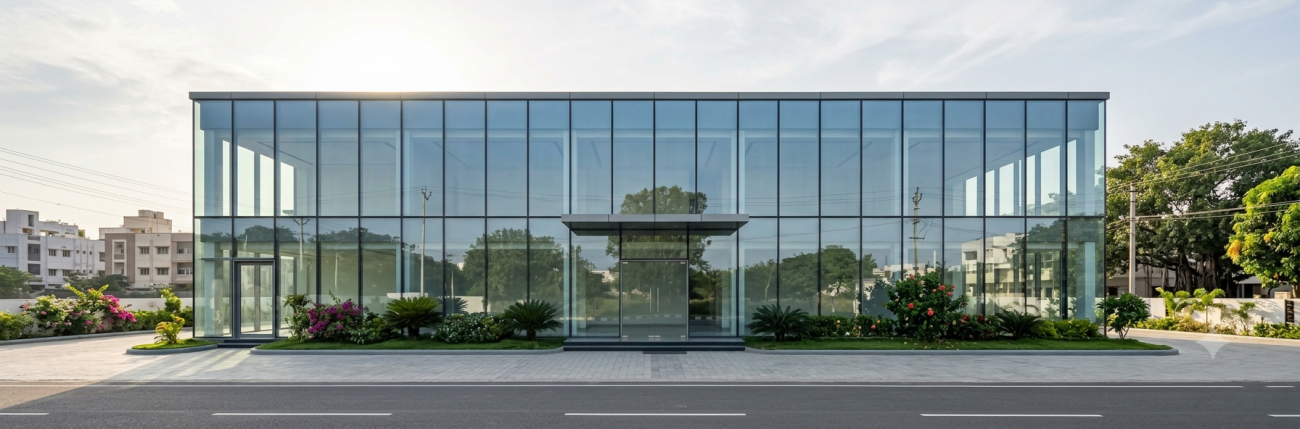


Structural Glazing vs Curtain Wall: What's the Difference?
Modern commercial buildings often use large glass surfaces to create a bright, open, and contemporary appearance. However, not every glass facade is built using the same system. Structural Glazing Solutions and curtain wall systems are two popular approaches, but they differ in how the glass is supported, how the exterior looks, and where each system is most suitable.
When comparing Structural Glazing vs Curtain Wall: What's the Difference?, it is important to look beyond appearance and understand how each system supports glass, handles weather conditions, and fits different commercial building requirements.
For commercial buildings in Coimbatore, understanding these differences can help architects, builders, and property owners choose a facade system based on design, performance, maintenance, and project requirements rather than appearance alone.
What Is Structural Glazing?
Structural glazing is a facade system where glass panels are attached to a supporting framework using structural silicone, mechanical fittings, or a combination of both. The supporting aluminium structure is positioned behind the glass, which reduces the amount of visible framing on the exterior.
This creates a smooth and continuous appearance. The result is often described as a Structural Glass Facade, especially when large glass panels form a major part of the building's exterior.
The system is carefully engineered to handle the required loads and building movement. Glass type, panel size, sealants, connections, drainage, and weather protection all need to be considered during design and installation.
What Is a Curtain Wall?
A curtain wall is a lightweight exterior wall system attached to the main structure of a building. It does not normally carry the building's floor or roof loads. Instead, it transfers its own weight and environmental loads back to the building structure through its supporting framework.
Curtain wall systems commonly use aluminium frames with glass or other infill materials.
From the outside, the frame may be visible depending on the type of curtain wall selected. Some systems use external pressure plates and cover caps, while others are designed with a more concealed appearance.
Curtain walls are widely used in offices, commercial buildings, hotels, retail spaces, and institutional projects.
Structural Glazing vs Curtain Wall: The Main Difference
The easiest way to understand the difference is to look at how the glass is connected to the supporting structure.
In structural glazing, the exterior is designed to minimise visible framing. Structural silicone or specialised mechanical connections can hold the glass against the supporting framework.
In a conventional curtain wall, the aluminium framing is usually more visible from the exterior. The glass is held within the framing system using appropriate retainers, gaskets, or pressure components.
Therefore, the two systems can look similar from a distance, but their construction methods and external appearance can be quite different.
How Does Structural Glazing Work?
A structural glazing system begins with a supporting framework that is connected to the building structure.
The glass panels are then attached to this framework using the specified structural connection. Structural silicone is commonly used in systems where the glass needs to appear externally frameless.
Once the glass is positioned, weather seals and joints are completed. Drainage paths are also incorporated to manage water that reaches the facade.
The visible exterior can therefore appear almost entirely glass, even though a substantial support system exists behind it.
This is one reason Structural Glazing Solutions are often selected for buildings where a clean facade is an important part of the architectural concept.
How Does a Curtain Wall Work?
A curtain wall also uses a supporting framework connected to the main building structure.
Vertical mullions and horizontal transoms form a grid. Glass or other panels are then fitted into this framework.
Depending on the system, the aluminium frame may remain visible on the outside. This creates a defined grid across the facade.
Some curtain wall designs can reduce the appearance of external framing, so the visual difference between systems is not always obvious. The method used to hold and support the glass is therefore more important than appearance alone.
What Is Silicone Glazed Curtain Wall?
A Silicone Glazed Curtain Wall is a curtain wall variation where silicone is used as part of the glazing attachment method.
It can create a cleaner exterior appearance because traditional external pressure plates or cover caps may be reduced or concealed.
This means structural glazing and silicone-glazed curtain walls can sometimes look quite similar from outside.
The key difference lies in the specific system design, structural arrangement, and method of transferring loads. Proper engineering documentation is therefore important when comparing the two.
Appearance and Architectural Style
One of the strongest differences is the visual character each system can provide.
Structural glazing is particularly suitable for Minimalist glass facade architecture because it reduces visual interruptions across the glass surface.
The result can be a smooth facade with clean joints and large areas of uninterrupted glazing.
Curtain wall systems provide more visible structure in many configurations. However, this is not necessarily a disadvantage. The grid pattern can be used intentionally as part of the building's architectural design.
For some projects, visible mullions create rhythm and proportion. For others, a cleaner glass surface may be preferred.
Natural Light and Interior Experience
Both systems can incorporate large glass areas, so both can contribute to daylight entering the building.
The amount of natural light depends on the glass area, glass specification, facade orientation, surrounding buildings, shading, and interior layout.
A large glazed facade can make an office or showroom feel brighter and more connected to its surroundings. At the same time, excessive solar exposure can increase heat and glare.
Therefore, choosing between structural glazing and curtain wall should not be based on daylight alone. The glass specification is equally important.
Thermal Performance
Glass facades need careful thermal planning. The frame, glass, joints, and overall facade design all influence building performance.
Curtain wall systems can be designed with thermal breaks and insulated glazing options. Structural glazing can also incorporate high-performance glass and suitable supporting systems.
For buildings exposed to strong sunlight, designers may consider solar-control glass or other measures to manage heat gain.
This is particularly important for commercial buildings in warm climates such as Coimbatore.
Structural Considerations
Structural performance is an important part of both systems.
Wind pressure, glass dimensions, building movement, thermal expansion, connection details, and support conditions must be evaluated during the design process.
Structural glazing requires particular attention to the compatibility and performance of the structural attachment. Silicone selection, surface preparation, curing, and joint design can all affect long-term performance.
Curtain wall systems also require proper engineering of mullions, transoms, connections, anchors, glass, and weather seals.
Neither system should be selected only from a visual sample. The building's engineering requirements need to guide the final choice.
Weather Protection
A commercial facade must deal with rain, wind, dust, and changes in temperature.
Both structural glazing and curtain wall systems require carefully designed joints, seals, drainage, and pressure management.
In structural glazing, the sealant joints are particularly important to the appearance and weather performance of the facade.
In curtain walls, gaskets, pressure systems, seals, and drainage paths form part of the weather-management strategy.
Good installation is essential in both cases. A well-designed system can still perform poorly if it is installed incorrectly.
Maintenance Requirements
Maintenance should be considered before selecting a facade system.
Glass surfaces need regular cleaning to maintain their appearance. External glass can become more difficult to access as building height and facade complexity increase.
Structural glazing also requires inspection of sealant joints and related components. Over time, joints may need attention depending on exposure and system design.
Curtain wall systems require inspection of glazing components, seals, frames, drainage areas, and connections.
For either option, planning maintenance access during the design stage can prevent future difficulties.
Structural Glazing Applications for Commercial Buildings
There are many Structural Glazing Applications for Commercial Buildings, particularly where a clean and contemporary appearance is desired.
Common examples include:
✓ Office entrances and facades
✓ Retail showrooms
✓ Corporate buildings
✓ Hotels and hospitality spaces
✓ Commercial reception areas
✓ Retail storefronts
✓ Feature walls
✓ Institutional buildings
✓ Modern commercial extensions
Structural glazing can be used across an entire elevation or limited to specific sections.
For example, a two-storey showroom may use structural glazing around the entrance and display area while using ACP or textured wall finishes elsewhere.
This creates visual contrast without making the entire building transparent.
When Is Curtain Wall a Better Choice?
Curtain wall systems can be a practical option when a project needs a flexible facade framework with a variety of infill materials.
They are commonly used on larger commercial projects and buildings where a structured facade grid fits the architectural design.
A curtain wall can also provide flexibility in selecting different glass types, panels, spandrel areas, and facade configurations.
The system can be adapted to different building requirements, making it a strong choice when the facade needs to balance appearance and practical construction considerations.
When Is Structural Glazing a Better Choice?
Structural glazing may be more appropriate when the architectural concept calls for a cleaner glass surface with minimal visible framing.
It works well for buildings where the facade needs a sleek, contemporary appearance.
A showroom with a prominent glass entrance, for example, may benefit from structural glazing because the reduced framing can keep attention on the glass and interior display.
Likewise, modern office buildings may use it to create a refined entrance or feature elevation.
However, the suitability still depends on engineering, glass specification, budget, maintenance, and site conditions.
Cost Considerations
There is no universal answer to which system costs more.
Project cost depends on glass type, panel dimensions, framing requirements, structural connections, installation conditions, access equipment, sealants, design complexity, and local labour requirements.
A simpler curtain wall configuration may be more economical for one project, while a carefully planned structural glazing system may make more sense for another.
It is better to compare complete system costs rather than looking only at the price of glass or aluminium.
Long-term considerations also matter. Maintenance, cleaning access, replacement requirements, energy performance, and expected service conditions can influence the overall value of a facade.
Which System Is Better for a Small Commercial Building?
For a small or medium-sized commercial building, neither system is automatically better.
The decision should be based on the building's size, facade area, architectural style, budget, exposure, and intended use.
A compact building may benefit from selective structural glazing around the entrance and important display areas.
Alternatively, a curtain wall may provide a practical solution where a larger glazed elevation needs a structured framework.
The best facade is usually one that fits the building rather than simply following a popular trend.
Structural Glazing and Curtain Wall Can Work Together
It is also possible to combine different facade approaches.
A commercial building may use curtain wall construction across one elevation and structural glazing as a feature around the entrance.
This approach can create variation without making the facade visually complicated.
Glass can also be combined with ACP, stone, textured finishes, concrete, and other materials. Such combinations can help balance transparent and solid areas.
The goal is to create a facade where each material has a clear purpose.
Common Mistakes When Choosing Between the Two
One common mistake is selecting a system only because it looks modern.
Appearance is important, but the facade must also meet structural, weather, thermal, safety, and maintenance requirements.
Another mistake is comparing only the initial installation cost. A facade should be evaluated over its expected service life.
Ignoring glass performance can also create problems. A visually attractive glass facade may cause excessive heat or glare if the specification does not suit the building.
Poor coordination between the architect, structural engineer, fabricator, and installer can also affect the final result.
Clear drawings and proper communication are essential before fabrication begins.
How DESIGNEXT Approaches Facade Planning
Facade selection requires a balance between architectural appearance and practical building requirements. DESIGNEXT brings 12+ Years of industry experience to exterior design projects and has worked with 260+ Happy Clients.
The focus should be on understanding the building first, then selecting materials and systems that suit its purpose. Structural glazing may be appropriate for one project, while curtain wall glazing or a combination of facade materials may be better for another.
This project-specific approach helps avoid choosing a system simply because it is visually popular.
Frequently Asked Questions
Is structural glazing the same as curtain wall?
No. They are related facade systems, but they differ in how glass is supported and attached and how much framing is visible externally.
Which looks more modern, structural glazing or curtain wall?
Structural glazing often provides a cleaner, more seamless appearance because much of the supporting frame can be concealed. However, modern curtain wall systems can also achieve refined architectural results.
Is structural glazing stronger than curtain wall?
Neither system can be described as universally stronger. Performance depends on the specific design, materials, engineering, connections, glass, and installation quality.
Can structural glazing and curtain wall be used on the same building?
Yes. Different facade systems can be combined when the design and structural requirements allow it.
Which is better for an office building?
Both can be suitable. The right choice depends on the office's design, glass requirements, sunlight exposure, budget, maintenance needs, and desired exterior appearance.
Is structural glazing suitable for showrooms?
Yes. It can be particularly useful where large glass areas are desired for entrances, displays, and visual connection between the interior and exterior.
Final Thoughts
The difference between structural glazing and curtain wall is not simply about which facade looks better. The two systems use different approaches to supporting and securing glass, and each can be adapted to different commercial building requirements.
Structural Glazing Solutions are often chosen for clean, minimal facades with reduced visible framing. Curtain wall systems offer a flexible framework that can support different glazing and facade configurations.
For a commercial project in Coimbatore, the right choice should consider structural requirements, glass performance, solar exposure, weather protection, maintenance, budget, and architectural intent.
Ultimately, a successful facade is one that combines appearance with practical performance. Whether the project calls for a refined Structural Glass Facade, a conventional curtain wall, or a combination of both, careful planning and proper installation are what make the system work effectively.