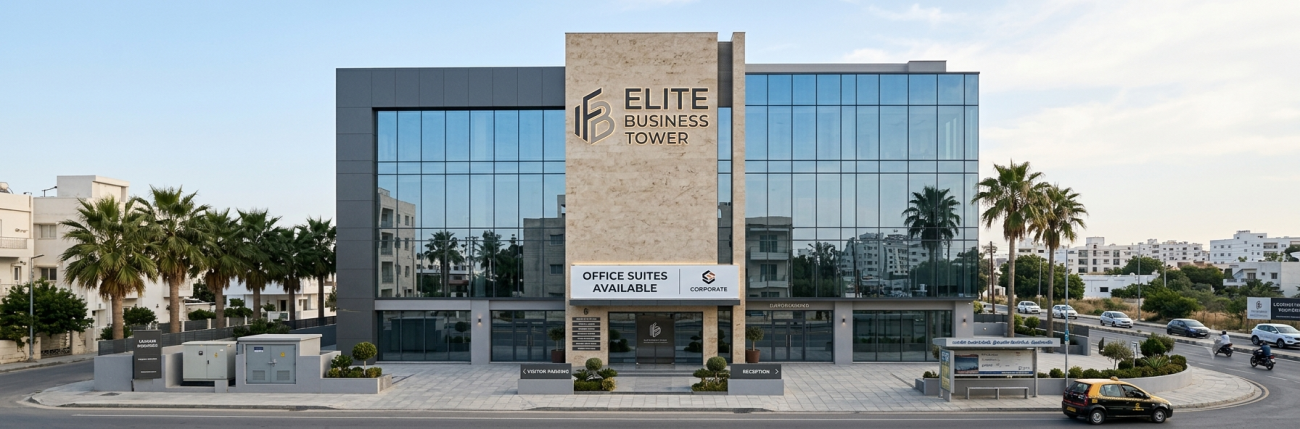


How Professional Signage Helps Businesses Attract Customers
Before a customer walks through your door, your signage may already be telling them what your business is about. A clear, well-designed sign can communicate your brand name, location, services, and personality within seconds. That is why Signage Solutions for Indoor & Outdoor Branding play an important role in helping businesses create a strong physical presence. In a growing commercial city like Coimbatore, where shops, offices, showrooms, restaurants, clinics, and service businesses compete for attention, effective signage can make a location easier to notice and remember.
Professional signage is not simply about putting a business name on a board. It involves choosing the right design, size, materials, colours, lighting, placement, and messaging for a specific location. Good Indoor and Outdoor Signage should be easy to understand while also fitting naturally into the surrounding environment.
Why Signage Matters for Business Visibility
Customers often make quick decisions when walking or driving through a commercial area. They may notice a sign before they know anything else about the business. A well-positioned sign can therefore help people identify a business from a distance and understand what it offers.
A strong sign also provides consistency. When the same logo, colours, typography, and visual style appear across exterior and interior signs, customers get a more connected brand experience. This is especially useful for businesses that have multiple customer touchpoints.
Unlike temporary advertising, a permanent sign can continue communicating with people throughout the day. However, its effectiveness depends heavily on design quality and visibility. A crowded sign with too much information can be difficult to read, while a simple and well-planned sign can communicate the main message much faster.
How Professional Signage Attracts Customers
1. It Creates a Strong First Impression
The exterior of a business is often the first physical interaction a customer has with the brand. A clean sign can make the location appear organised and professional.
For example, a retail store with a clear entrance sign, readable business name, and consistent branding can be easier to recognise than a storefront covered with unrelated messages. The objective is not to make the sign as large or colourful as possible. It is to make it noticeable and appropriate for the business.
A thoughtful Commercial Signboard Design considers the building, street visibility, customer movement, and brand identity together.
2. It Makes Businesses Easier to Find
A customer may already know the business name but still struggle to identify the correct location. This can happen when a shop is inside a busy commercial complex, on a crowded street, or surrounded by similar buildings.
Clear signage can act as a visual landmark. The business name should be readable from an appropriate distance, while directional signs can guide customers toward entrances, parking areas, reception desks, or specific departments.
This is one reason Professional brand visibility signage should focus on practical visibility rather than decoration alone.
3. It Communicates What the Business Offers
A sign can do more than display a company name. Supporting information can help customers understand the type of business they are looking at.
For instance, a clinic may use a simple service descriptor below its name. A restaurant may highlight its cuisine. A showroom may identify the product category it specialises in.
However, the information should remain limited. Customers should not have to read a paragraph to understand a sign. The most important message should be visible first.
Outdoor Signage Ideas for Better Visibility
Outdoor signage needs to work in changing conditions. Customers may see the sign during bright sunlight, cloudy weather, evening hours, or from a moving vehicle.
1. Front Elevation Signage
A façade sign is one of the most common options for shops, offices, showrooms, and commercial buildings. It is usually positioned on the front elevation where customers can easily see the business name.
The design should match the building's architecture. A modern office may suit clean lettering and subtle finishes, while a retail store may use stronger colours and illuminated elements.
The sign should also maintain enough contrast between the lettering and background. This improves readability without requiring excessive decorative elements.
2. 3D Lettering
Three-dimensional letters can give a storefront or office entrance more depth. They can be produced using materials such as acrylic, metal, or other suitable fabrication materials.
3D lettering can also be combined with backlighting or front lighting. The final effect should remain readable rather than relying entirely on decorative illumination.
When used correctly, this type of Commercial Signboard Design can create a distinctive identity while maintaining a professional appearance.
3. Illuminated Signage
Illuminated signs are useful for businesses that operate in the evening or need visibility after sunset. Lighting can be integrated into letters, boxes, panels, or other sign structures.
The lighting level should be appropriate for the surroundings. Excessively bright signage can create glare and may reduce readability instead of improving it.
LED-based lighting is commonly considered for signage because it can provide consistent illumination in compact formats. The exact choice should depend on the sign design, installation environment, and maintenance requirements.
Indoor Signage and Customer Experience
Signage does not stop at the entrance. Once customers enter a building, indoor signs help them navigate the space and understand where to go.
Indoor and Outdoor Signage should work as one visual system. The colours, typography, symbols, and overall design language should feel connected.
Reception and Welcome Signs
A reception sign establishes the first visual point inside an office, hotel, clinic, showroom, or commercial facility. It can display the brand name prominently without making the area feel overcrowded.
Material choices can include acrylic, metal, wood finishes, glass, or combinations of different surfaces. The right choice depends on the interior design and brand personality.
Directional Signs
Directional signage helps customers move through unfamiliar spaces. Arrows, room names, floor numbers, department labels, and other simple indicators can reduce confusion.
These signs are particularly useful in large offices, hospitals, educational institutions, shopping spaces, and commercial complexes.
The best signage ideas for business branding are not always the most decorative ones. Sometimes a simple directional sign provides more practical value because it helps customers reach the right destination without assistance.
Room and Department Signs
Individual room signs provide another layer of organisation. Meeting rooms, cabins, waiting areas, restrooms, service counters, and departments can be clearly identified.
Consistent design makes the entire premises feel more organised. It also helps customers recognise that different signs belong to the same business.
Choosing the Right Signage Materials
Material selection affects appearance, durability, maintenance, and overall suitability. There is no single material that works for every type of sign.
Acrylic can provide a clean and modern appearance. Metal can create a more solid and premium visual character. Aluminium is often considered for lightweight sign structures and outdoor applications. Vinyl and printed graphics can be useful for certain temporary or promotional requirements.
Outdoor signs need additional consideration because they are exposed to sunlight, rain, dust, wind, and temperature changes. Materials should therefore be selected according to the actual installation environment.
For businesses planning Custom Signage Solutions for Indoor and Outdoor Business Branding, it is useful to evaluate both appearance and long-term practical requirements before choosing a material.
The Role of Colour in Signage
Colour can influence how quickly a sign is noticed and how easily it can be recognised as part of a particular brand.
Strong contrast between the background and lettering generally improves readability. However, using too many colours can make the sign appear confusing.
Brand colours should be used consistently across exterior signs, reception areas, directional boards, promotional displays, and other branded elements. This helps create a familiar visual identity.
The surrounding environment should also be considered. A colour that looks strong in a design file may appear less visible when placed against a similar building façade.
Typography and Readability
A beautiful typeface is not automatically a good signage font. Signage needs to be readable at the distance from which customers are expected to view it.
Simple letterforms are usually easier to recognise quickly. Letter spacing, line spacing, font weight, and text size all affect readability.
Avoid placing important information over complicated backgrounds. If customers have to stop and concentrate to understand the business name, the design may need to be simplified.
This is especially important for outdoor signs viewed by people from moving vehicles. Drivers have very limited time to process visual information, so the message should be direct and easy to recognise.
Signage Placement Makes a Difference
Even an excellent sign can become ineffective if it is placed in the wrong position.
Before installation, consider the main direction from which customers approach the property. Check whether trees, parked vehicles, neighbouring signs, balconies, electrical equipment, or other structures could block visibility.
Height is another important factor. A sign should be positioned where the intended audience can see it comfortably without being hidden by surrounding elements.
For larger properties, multiple signs may be more useful than one oversized sign. A main identification sign can be supported by directional signs placed along the customer journey.
How Signage Supports Brand Recognition
Brand recognition develops through repeated exposure. When customers repeatedly see the same name, logo, colours, and visual style, they can begin to associate those elements with the business.
Professional signage can support this process at physical locations. A customer may first notice the exterior sign, then see the same branding at reception, on directional boards, and inside service areas.
This consistency is particularly valuable for businesses that want their physical premises to reflect their wider brand identity.
DESIGNEXT, with 12+ Years of industry experience and experience serving 260+ Happy Clients, approaches signage as a combination of visual communication and practical application rather than treating every sign as a standalone graphic.
Common Signage Mistakes Businesses Should Avoid
Too Much Information
A sign should not try to communicate every service, offer, phone number, social media account, and message at once. Too much content can make the main business name difficult to notice.
Poor Contrast
Light text on a light background or dark text on a dark surface can reduce readability. Always evaluate the contrast in the actual installation environment.
Ignoring the Building
A sign should work with the architecture instead of appearing disconnected from it. Consider the building's materials, colours, entrance design, and surrounding environment.
Choosing Appearance Over Durability
Outdoor signage must handle local environmental conditions. A material that looks attractive indoors may not be suitable for long-term outdoor use.
Inconsistent Branding
Using different fonts, colours, or logos across various signs can weaken visual consistency. A basic signage guideline can help maintain a unified appearance.
How to Choose the Right Signage for Your Business
Start by identifying the purpose of the sign. Is it meant to identify the business, attract attention, provide directions, display services, or improve the customer experience?
Next, consider where the sign will be installed. Indoor signs have different requirements from exterior signs. Outdoor signs need to account for visibility, weather exposure, lighting, and viewing distance.
Then review the design elements. Business name, logo, colours, typography, icons, and supporting information should be arranged according to importance.
Finally, consider installation and maintenance. A sign may look excellent during the design stage but still create problems if access for cleaning, electrical maintenance, or future replacement has not been considered.
For a broader look at how signage can influence customer attention and business presentation, How Professional Signage Helps Businesses Attract Customers provides a useful reference when planning a complete branding approach.
Creating Signage That Works for the Long Term
Good signage should remain useful after the initial excitement of a new installation has passed. It needs to stay readable, visually relevant, and practical to maintain.
Businesses should think about future changes as well. If the company may update its logo, change departments, add services, or expand to another floor, modular signage can sometimes make future updates easier.
Lighting and electrical components should also be accessible for maintenance. Outdoor structures should be inspected periodically for signs of damage, loose components, fading, or other issues.
A planned maintenance approach can help preserve the appearance and functionality of signage over time.
Final Thoughts
Professional signage is an important part of physical business communication. It can help people identify a location, understand what a business offers, navigate a building, and form an impression of the brand.
The most effective approach is not necessarily the biggest or most expensive sign. It is a sign that is clear, readable, appropriately placed, visually consistent, and suitable for its environment. Businesses can combine Signage Solutions for Indoor & Outdoor Branding with thoughtful Indoor and Outdoor Signage, practical Commercial Signboard Design, and carefully planned Professional brand visibility signage to create a stronger physical presence.
For businesses looking at Custom Signage Solutions for Indoor and Outdoor Business Branding, the design should begin with customer needs and location conditions. From illuminated exterior signs to reception displays and directional boards, each element should have a clear purpose. Exploring the Best Signage Ideas for Business Branding can also help businesses compare different approaches before finalising their signage plan.