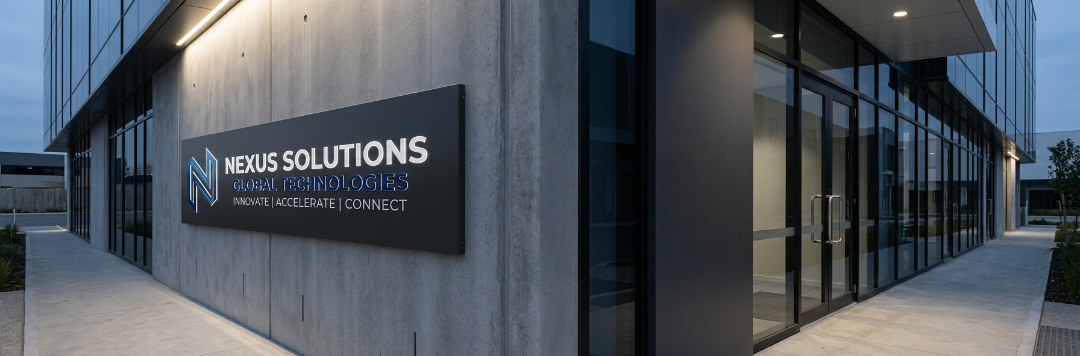


ACP Sign Boards vs LED Sign Boards: Which Is Better?
A business sign often creates the first impression before a customer walks through the door. The right sign should make your brand easy to recognise, keep the business name readable, and suit the surrounding environment. That is why many businesses compare ACP sign boards and LED sign boards when planning Signage Solutions for Indoor & Outdoor Branding. In Coimbatore, businesses use both options for offices, showrooms, retail stores, restaurants, clinics, and commercial buildings.
However, ACP and LED signs serve different purposes. ACP offers a clean and modern surface for branding, while LED signage adds illumination and stronger visibility in low-light conditions. Understanding the difference can help you choose a sign that matches your location, business hours, design preferences, and maintenance needs.
What Are ACP Sign Boards?
ACP stands for Aluminium Composite Panel. Manufacturers create ACP panels by combining aluminium layers with a core material. This structure gives the panel a smooth finish, good rigidity, and relatively low weight.
Businesses often use ACP for exterior name boards, shop signs, office branding, reception signs, and building fascia. Designers can cut ACP into different shapes and combine it with acrylic, metal, or raised letters.
The smooth surface also gives designers plenty of room to arrange a logo, business name, colours, and other brand elements. For Corporate Signage Design, this flexibility makes ACP a practical choice for businesses that want a neat and professional appearance.
What Are LED Sign Boards?
LED sign boards use light emitting diodes to create illumination. The lighting can appear inside a light box, behind letters, around the edges, or directly through the sign face.
LED technology gives businesses another way to improve visibility after sunset. Retail stores, restaurants, hotels, offices, and other businesses can use illuminated signage to keep their names visible during evening hours.
The final appearance depends on the design. Front-lit letters create one effect, while backlit letters produce a soft halo around the lettering. Edge lighting can create a more subtle appearance.
As a result, LED signage offers both branding and lighting opportunities.
ACP Sign Boards vs LED Sign Boards
Both options can create attractive business signage, but they differ in several important areas. Your business should consider more than appearance before making a decision.
1. Design and Visual Appeal
ACP gives a business a clean and structured look. Its flat surface works well with printed graphics, cut letters, logos, and layered designs.
LED signage adds another visual element through illumination. Lighting can highlight specific letters or the entire sign and create stronger visibility after dark.
Businesses that prefer a minimalist daytime appearance may favour ACP. Companies that want their sign to stand out at night may prefer LED.
You can also combine both materials. For example, an ACP panel can provide the background while acrylic letters and LED lighting create depth and illumination. This combination works especially well with Acrylic Signage and 3D Lettering.
2. Daytime Visibility
ACP signage can provide excellent daytime visibility when the designer uses suitable colours, letter sizes, spacing, and contrast.
The surrounding environment also affects readability. A sign with strong colour contrast can remain easy to read even without additional lighting.
LED signs can also perform well during the day. However, their main advantage appears when ambient light decreases.
Therefore, businesses that operate mainly during daylight hours may not need illuminated signage. A well-planned ACP sign can meet their requirements without adding unnecessary electrical components.
3. Night-Time Visibility
Night-time visibility gives LED signage a clear advantage.
An ACP sign without lighting depends on nearby lights or external spotlights. Once the surrounding area becomes dark, customers may find the sign harder to notice.
LED signage produces its own light. This feature helps businesses maintain visibility after sunset, especially along busy roads and commercial streets.
Still, brighter does not always mean better. Excessive brightness can distract viewers and reduce the visual quality of a sign. Good lighting should support readability rather than overpower the branding.
For this reason, Effective Signage for Indoor and Outdoor Spaces should consider the surrounding lighting, viewing distance, sign size, and operating hours.
4. Durability
Outdoor signs face several environmental factors throughout the year. Sunlight, rain, dust, humidity, and temperature changes can affect materials and components.
ACP can handle many outdoor applications when the installer chooses suitable materials and uses a strong supporting structure. The panel quality and fabrication method also influence long-term performance.
LED signage contains additional electrical components. These components require suitable protection, secure connections, and proper installation.
A good sign therefore depends on more than the visible material. The fabrication, framework, mounting method, electrical work, and maintenance plan all contribute to its performance.
5. Maintenance
Maintenance represents another important difference between the two options.
A standard ACP sign does not require electrical maintenance. Regular cleaning and occasional inspection of the mounting structure can help keep the sign in good condition.
LED signs require more attention because they contain lighting components and electrical connections. A faulty LED section, damaged wire, or power supply issue may affect the illumination.
Easy access also matters. A sign that requires complicated access for repairs can increase maintenance time and cost.
Before installation, businesses should therefore think about how technicians can safely inspect and repair the sign when necessary.
6. Energy Consumption
A standard ACP sign does not consume electricity because it does not produce light.
Businesses can add external lighting to an ACP sign, but that changes its energy requirements. The actual consumption depends on the lighting system and operating hours.
LED signage requires electrical power, but LED technology provides illumination with relatively efficient energy use. Actual consumption varies according to sign size, number of LEDs, brightness, and daily operating time.
A business that keeps its sign illuminated for many hours should consider both electricity use and maintenance when comparing options.
7. Installation Requirements
ACP signs usually require a supporting frame, brackets, channels, or another suitable mounting system. The installer selects the method according to the sign size, wall condition, and location.
LED signage needs both structural and electrical planning. The installation team must consider power access, cable routing, connections, moisture protection, and safe maintenance access.
Large outdoor signs also need proper structural planning. Wind exposure and the condition of the mounting surface can influence the installation method.
A professional assessment can help avoid problems after installation.
8. Cost
The final cost of signage depends on several factors. Size, material quality, design complexity, lettering, lighting, framework, finishing, and installation can all influence the price.
A basic ACP sign may cost less than a customised illuminated sign. However, special finishes, 3D letters, acrylic elements, and complex fabrication can increase the cost of ACP signage.
LED signs may require a higher initial investment because they include lighting components and electrical work.
Instead of comparing only the initial price, consider the complete cost of ownership. Maintenance, electricity, repairs, expected usage, and long-term branding value can all affect the decision.
Which Sign Board Should You Choose?
The right choice depends on how and where you plan to use the sign.
Choose ACP When:
✓ You want a clean and professional appearance.
✓ Your business mainly operates during daylight hours.
✓ You need a large branding surface for logos and graphics.
✓ You prefer a simple and modern design.
✓ Your location already has enough external lighting.
✓ You want to combine the panel with acrylic or 3D letters.
Choose LED When:
✓ Your business operates during evening hours.
✓ Night-time visibility matters to your customers.
✓ Your location has limited surrounding lighting.
✓ You want illuminated letters or logos.
✓ You want the sign to remain visible after sunset.
✓ Your business needs stronger visual presence at night.
Consider a Combination When:
✓ You want a professional daytime appearance and night-time visibility.
✓ You want ACP as the background with illuminated letters.
✓ Your branding uses 3D lettering.
✓ You want lighting to highlight selected design elements.
In many cases, a combination gives businesses more design flexibility than choosing one material alone.
How Location Affects Your Decision
The location of your sign can change the answer completely.
An office reception area usually does not need strong illumination. An ACP panel with acrylic lettering can create a professional appearance while keeping the design simple.
A roadside showroom has different requirements. Customers may approach the building after sunset, so illuminated signage can improve visibility.
Restaurants and retail stores may also benefit from LED signs because customers often visit them during evening hours.
Meanwhile, an industrial building may require larger lettering that remains readable from a greater distance. In that situation, designers need to consider viewing distance along with material and lighting.
This makes Customized Indoor and Outdoor Branding Signage for Businesses more useful than choosing a standard sign without considering the installation environment.
Can ACP and LED Sign Boards Work Together?
Yes. Businesses can combine ACP and LED components to create a balanced signage design.
For example, an ACP panel can provide the main background. Designers can then add acrylic or metal letters and install LED lighting behind or inside the letters.
During the day, the ACP surface creates a clean visual foundation. At night, the LED lighting highlights the business name and logo.
This approach can create depth without requiring the entire sign to glow. It also gives designers more control over brightness and visual hierarchy.
The combination works particularly well for offices, showrooms, retail outlets, hotels, and other commercial spaces.
What Should You Check Before Ordering?
A few simple questions can help you make a better decision.
✓ Where will you install the sign?
✓ How far away will customers view it?
✓ Will people see it mainly during the day or at night?
✓ Does your business operate after sunset?
✓ Does the location already have adequate lighting?
✓ Do you need illuminated letters?
✓ How much maintenance can you manage?
✓ Does the wall or supporting structure suit the sign?
✓ Is electrical access available for LED signage?
✓ Can customers read the business name quickly?
✓ Does the design match your existing brand identity?
These questions help you focus on practical requirements instead of choosing a sign only because it looks attractive.
Why Design Matters More Than Material Alone
The material creates the foundation, but design determines how customers experience the sign.
A simple ACP sign can look more professional than a complicated LED sign when the designer uses clear typography and balanced spacing. Similarly, an LED sign can lose its impact when excessive lighting makes the lettering difficult to read.
Good signage uses the right combination of colour, typography, size, contrast, spacing, and lighting.
The designer should also consider the building facade. A sign that looks suitable on one building may appear oversized or disconnected from another.
That is why businesses should treat signage as part of their wider visual identity rather than as a separate decorative element.
The Role of Signage in Business Branding
A sign helps customers identify a business quickly. Consistent colours, typography, logos, and visual elements can also support brand recognition across different locations.
Businesses can extend the same visual language to reception signs, directional signs, wall branding, entrance signs, and other branded areas.
Well-planned signage can contribute to Memorable business identity solutions by giving customers a consistent visual experience.
However, branding does not require excessive design elements. A clear business name and recognisable logo often create a stronger result than a crowded sign.
Why Professional Planning Matters
Even quality materials cannot guarantee an effective result without proper planning.
A designer needs to understand the building, customer movement, viewing distance, lighting conditions, brand guidelines, and installation requirements. The team should also consider future maintenance before finalising the design.
For example, a sign may look impressive on a computer screen but become difficult to read when installed too high. Similarly, small lettering may work on a wall but fail when customers view it from the road.
DESIGNEXT has 12+ years of industry experience and has worked with 260+ happy clients. This type of industry experience can help businesses evaluate signage based on practical requirements rather than appearance alone.
ACP vs LED Sign Boards: Final Verdict
So, which is better: ACP or LED?
The answer depends on your business requirements.
ACP works well when you want a clean, professional, and design-focused sign. It offers a flexible surface for logos, graphics, acrylic letters, and 3D elements.
LED signage makes more sense when night-time visibility matters. It can keep your business name visible after sunset and create a stronger visual presence in low-light environments.
A combination of ACP, acrylic, 3D lettering, and LED lighting can provide an even more flexible solution. The ACP panel can establish the visual structure, while LED illumination can improve visibility at night.
Ultimately, the best Signage Solutions for Indoor & Outdoor Branding should match your location, business hours, viewing distance, brand identity, maintenance requirements, and budget.
Before choosing a sign, focus on one simple question: What should customers see, where will they see it, and when will they see it?
Once you answer that question, selecting between ACP, LED, or a combination becomes much easier.
For a deeper comparison of the two options and their practical applications, explore ACP Sign Boards vs LED Sign Boards: Which Is Better?.
The right sign does not need to be the brightest or most complicated option. It needs to communicate your business clearly, fit the building naturally, and remain useful for the people who see it.