
Best Exterior Wall Finishing Options for Commercial Buildings
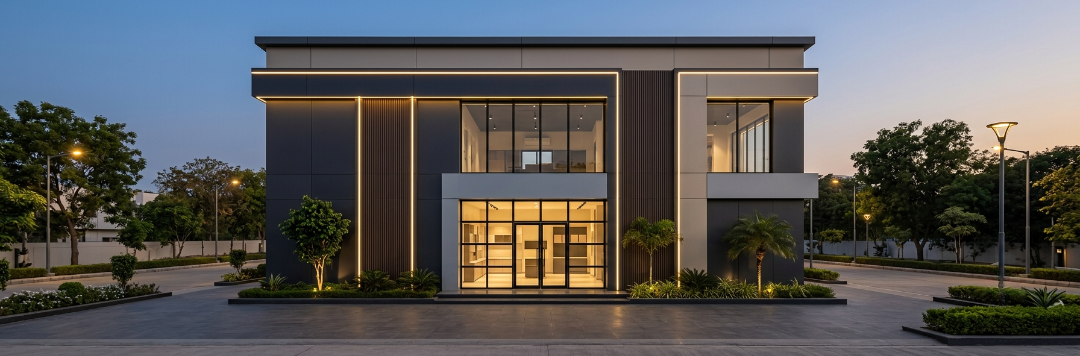
The exterior walls of a commercial building do more than protect the structure. They shape the first impression people get when they see the property. Good Exterior Wall Designing can make a simple building look modern, professional, and well maintained. The right finish also helps create a consistent appearance across entrances, windows, upper floors, and other architectural elements.
For commercial properties in Coimbatore, Best Exterior Wall Finishing Options for Commercial Buildings needs to balance appearance with practical needs. Sunlight, rain, dust, humidity, cleaning, and everyday exposure can affect exterior surfaces over time. Therefore, choosing a wall finish should not be based on appearance alone. Material quality, installation, maintenance, and the existing structure should also be considered.
Why Exterior Wall Finishing Matters
A building façade is one of the most visible parts of a commercial property. Customers may notice the exterior before they see the interior, products, services, or employees. A clean and thoughtfully finished façade can create a more welcoming environment.
Good Exterior Wall Designing brings materials, colours, textures, lighting, and architectural features together. Instead of treating each wall separately, the entire building can be planned as one visual composition.
A suitable finish can also help highlight important areas. Entrances, reception zones, display windows, corners, columns, and upper sections can receive different treatments while still maintaining a consistent overall appearance.
1. ACP Wall Cladding
Aluminium Composite Panel, commonly called ACP, is a popular choice for modern commercial buildings. It provides a clean and structured surface that can be used in different patterns and layouts.
ACP panels are available in various colours, textures, and finishes. They can be arranged horizontally, vertically, or in geometric patterns depending on the architectural concept. This flexibility makes ACP useful for Exterior Wall Designing projects where a contemporary appearance is required.
ACP can also be combined with glass, stone textures, metal elements, and architectural lighting. However, the panel specification and installation system should be selected according to the building's requirements and exposure conditions.
2. Textured Wall Finishes
Textured finishes are useful when a building needs more depth and visual character. Instead of using a completely smooth wall, designers can introduce subtle patterns or surface variations.
Different textures can create different impressions. Fine textures may provide a clean professional appearance, while stronger patterns can create a more noticeable focal area.
For Exterior Wall Decor, textured finishes can be applied to selected portions of a façade instead of covering every wall. This keeps the design balanced and prevents the exterior from appearing too busy.
3. Stone and Stone-Look Finishes
Stone can give commercial buildings a strong and timeless appearance. Natural stone has its own texture and colour variations, while stone-look materials can provide a similar visual effect with different installation and maintenance requirements.
Stone finishes are often useful around entrance areas, columns, lower wall sections, or selected feature walls. They can add visual weight to a building and create a contrast against lighter or smoother materials.
When planning Building Facade Enhancement, it is important to consider the weight, fixing method, surface condition, cleaning needs, and long-term maintenance of stone or stone-look materials.
4. Exterior Paint and Protective Coatings
Paint remains one of the simplest ways to refresh a commercial building. A new colour scheme can completely change the visual character of an existing property.
Exterior-grade paints are available in different finishes and colour ranges. Choosing the right product is important because exterior walls are exposed to weather and environmental conditions.
Paint works particularly well when combined with other finishing materials. For example, a building can use a neutral wall colour with ACP panels or textured sections as accents. This approach can support a Modern outdoor wall appearance without requiring complicated construction.
5. Glass Elements
Glass is commonly used around entrances, windows, display areas, and selected façade sections. Its reflective appearance can make a commercial building feel open and contemporary.
Large glass areas can work well with ACP or other solid wall finishes. The contrast between transparent and solid surfaces can create visual interest while keeping the overall façade clean.
However, glass selection should consider safety, heat, glare, privacy, cleaning, and the building's orientation. It should be used where it supports the architectural concept and practical requirements.
6. Metal and Decorative Panels
Metal elements can add structure and detail to commercial façades. Vertical fins, horizontal bands, screens, and decorative panels can create shadows and depth on otherwise plain walls.
These features can be particularly effective around upper floors or feature sections. They can also help create a stronger visual rhythm across a long wall.
When combined with Exterior Wall Designing, metal features should follow the building's proportions. Too many decorative elements can make the façade look crowded, while carefully placed features can create a refined appearance.
7. Brick and Brick-Look Finishes
Brick surfaces can bring warmth and texture to commercial architecture. Traditional brick can create a classic character, while modern brick-look materials can provide a cleaner contemporary finish.
Brick works well for cafés, restaurants, offices, studios, retail spaces, and other properties where a more approachable exterior is preferred.
It can also be paired with smooth painted walls, glass, or metal elements. The contrast between rough and smooth surfaces can create attractive Innovative Exterior Wall Designs without excessive decoration.
How to Choose the Right Wall Finish
There is no single finishing material that is ideal for every commercial building. The right choice depends on several factors.
Consider the Building Type
An office building may need a clean and professional façade, while a showroom may benefit from a more noticeable entrance and display-focused exterior.
A healthcare or educational property may require a calmer and more welcoming appearance. The function of the building should influence the design direction.
Check the Existing Wall Condition
Before applying any new finish, inspect the existing surface. Cracks, moisture, loose plaster, uneven areas, and other issues should be addressed first.
Applying a new finish over an unsuitable surface can create problems later. A proper assessment helps determine whether repair, preparation, waterproofing, or additional treatment is needed.
Think About Local Weather
Exterior walls are continuously exposed to the local environment. In Coimbatore, the design should account for sunlight, rain, dust, and seasonal weather changes.
The selected material should be suitable for outdoor use. Installation details such as joints, edges, drainage, and sealants can also influence long-term performance.
Consider Maintenance
A commercial façade should be reasonably easy to maintain. Some finishes may require regular cleaning, while others may need periodic repainting or inspection.
For Exterior Wall Decor, maintenance should be considered before installation rather than after problems appear. A practical design can remain attractive without creating unnecessary maintenance work.
Creating a Stylish Exterior Without Overdesigning
A common mistake in commercial façade design is trying to use too many materials at once. ACP, stone, glass, paint, metal, textures, and lighting can all look attractive individually. However, combining everything may create a confusing appearance.
A better approach is to select a few complementary finishes. One material can act as the main surface, while another can highlight the entrance or feature wall.
This creates Stylish Exterior Wall Designing for Commercial Buildings that feels intentional rather than crowded. Colour, proportion, alignment, and spacing are often more important than the number of materials used.
Using Colour to Improve Exterior Appearance
Colour can influence how large, tall, wide, or prominent a building appears. Light colours can create an open feeling, while darker shades can add depth to selected areas.
Neutral colours are often useful as a base because they can work with different architectural materials. Accent colours can then be introduced around entrances, signage zones, or specific façade features.
The surrounding buildings should also be considered. A colour combination that works well in one location may not have the same visual effect elsewhere.
The Role of Lighting in Wall Finishing
A commercial building can look very different during the day and at night. Architectural lighting can highlight textures, wall patterns, entrance areas, and vertical elements after sunset.
Warm linear lights, wall washers, recessed fixtures, and concealed lighting can be integrated into the design depending on the building. Lighting should highlight the architecture rather than overpower it.
When planned with the wall finish, lighting can strengthen the overall Modern outdoor wall appearance and make important architectural features easier to notice.
Combining Finishes for Better Results
Using two or three complementary materials can create more depth than using one finish everywhere. For example, ACP can form the main façade while stone-look panels define the entrance and textured paint covers supporting wall sections.
Glass can then be used around the entrance or display area. Simple lighting can complete the composition.
This type of Building Facade Enhancement works because each material has a specific visual role. The result feels coordinated instead of decorative for the sake of decoration.
Common Mistakes to Avoid
Choosing Materials Only for Appearance
A material may look excellent in a sample but may not be suitable for the actual building location. Durability, cleaning, weather exposure, and installation should also be considered.
Using Too Many Colours
Several strong colours can compete for attention. A limited colour palette usually creates a cleaner commercial appearance.
Ignoring the Entrance
The entrance is often the main point of interaction. It should be clearly visible and connected to the overall façade design.
Forgetting Maintenance
A difficult-to-clean or repair façade can become expensive and inconvenient over time. Maintenance access and cleaning requirements should be considered during planning.
Copying Another Building
A design that works for one property may not suit another. The building's size, structure, surroundings, and business purpose should guide the final concept.
Planning an Exterior Wall Finish in Coimbatore
Commercial property owners in Coimbatore have many options when updating or designing a building façade. The best solution depends on the structure, budget, location, preferred appearance, and expected maintenance.
With 12+ years of industry experience, DESIGNEXT understands that good façade design needs to balance visual appeal with practical considerations. Its experience with 260+ happy clients also reflects exposure to different commercial design requirements.
The goal should not be to follow every new trend. Instead, the design should create a durable and appropriate appearance that works with the building's architecture.
Frequently Asked Questions
What is the best finish for commercial exterior walls?
There is no universal best option. ACP, textured finishes, stone, paint, glass, metal, and brick-look surfaces can all work well when selected according to the building's structure, location, appearance, and maintenance requirements.
Is ACP suitable for commercial buildings?
ACP can be a suitable option for many commercial façades because it offers a clean contemporary appearance and can be arranged in different patterns. The appropriate panel specification and installation method should be selected for the project.
How can I make an old commercial building look modern?
A combination of new colours, ACP panels, textured finishes, glass, lighting, and redesigned entrance features can refresh an older property. Existing wall conditions should be checked before applying new finishes.
How many materials should be used on a commercial façade?
There is no fixed number. In many designs, using a small number of complementary materials creates a cleaner appearance than combining many unrelated finishes.
How can I select a suitable exterior wall design?
Consider the building type, existing architecture, local weather, material durability, maintenance requirements, colour scheme, budget, and desired visual identity before selecting the final design.
Conclusion
Choosing the right exterior wall finish can significantly improve the appearance and character of a commercial building. From ACP and textured surfaces to stone, glass, paint, brick, and decorative metal elements, each option offers different visual and practical benefits.
Successful Exterior Wall Designing is about finding the right balance. A good façade should look attractive, suit the building's purpose, handle outdoor conditions, and remain manageable to maintain.
Whether the project involves a new commercial property or the renovation of an existing structure, thoughtful material selection and proper planning can create a lasting result. By combining suitable finishes, balanced colours, practical detailing, and carefully planned lighting, businesses can achieve a professional exterior that remains relevant for years.