
Modern Exterior Wall Design Ideas for Commercial Buildings
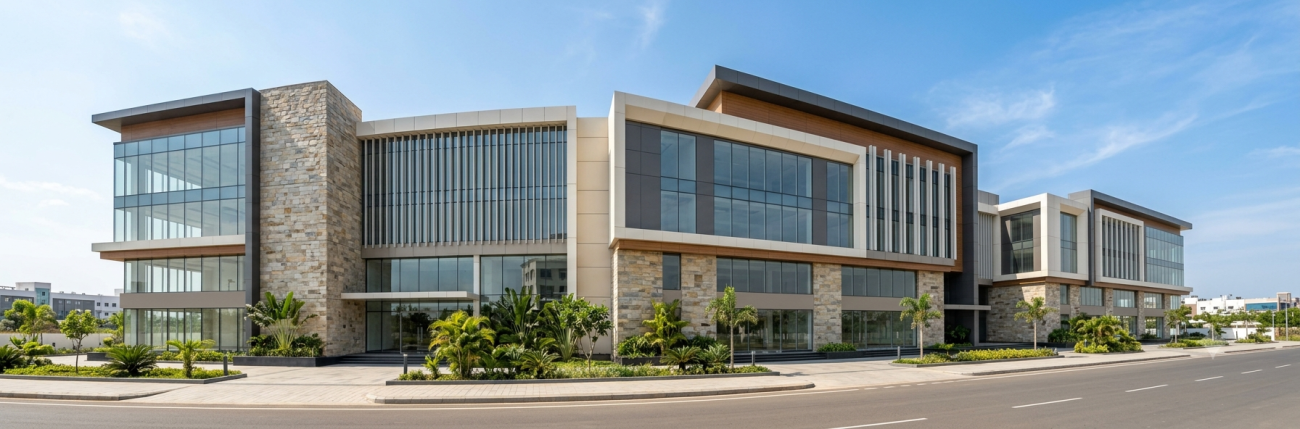
The exterior of a commercial building creates the first impression before a customer even enters the property. A clean, well-planned façade can make a building look professional, welcoming, and suitable for its business purpose. This is why Exterior Wall Designing has become an important part of modern commercial architecture. In growing business locations such as Coimbatore, companies are paying more attention to how their offices, showrooms, clinics, and commercial spaces look from the outside.
A commercial exterior is not only about decoration. The right wall design should balance appearance, durability, maintenance, climate, lighting, branding, and the overall structure of the building. Materials such as ACP, stone, glass, textured finishes, concrete, tiles, metal, and exterior paints can be combined to create different architectural styles.
Whether you are constructing a new commercial building or renovating an existing one, understanding the available options can help you make a better decision. This guide explores practical and modern ideas for creating an Attractive building exterior without making the design unnecessarily complicated.
Why Exterior Wall Design Matters for Commercial Buildings
A commercial building represents the business operating inside it. Customers may notice the entrance, signage, colours, windows, lighting, and wall finishes before they interact with the company.
A thoughtfully planned exterior can create a sense of organisation and professionalism. For example, a corporate office may benefit from clean lines and neutral colours, while a retail showroom may use stronger contrasts to improve visibility.
Good Exterior Wall Decoration should also complement the building's surroundings. A design that looks attractive in isolation may not work well when placed beside neighbouring buildings, busy roads, landscaping, or existing structures.
The purpose of the façade should therefore be considered before selecting materials or colours. The exterior should support the building instead of competing with it.
Modern Exterior Wall Designing Ideas for Commercial Buildings
There are many ways to update a commercial building without relying on excessive decoration. The best designs usually combine a few well-selected materials and architectural elements.
1. ACP Panel Wall Design
Aluminium Composite Panels are commonly used for contemporary commercial exteriors. They provide smooth surfaces and can be arranged in horizontal, vertical, or geometric patterns.
ACP is particularly useful for creating feature sections around entrances, windows, signage areas, and upper floors. Different finishes can also be combined to create visual contrast.
A simple combination of dark and light panels can give a commercial building a structured appearance without adding too many decorative elements.
2. Stone Finish Walls
Stone and stone-look finishes can add texture and a natural appearance to commercial buildings. They are often used around entrance areas, boundary sections, reception zones, and feature walls.
Natural stone can have specific structural and maintenance considerations. Manufactured or stone-look materials may offer different installation and maintenance characteristics.
When using stone as part of Architectural Wall Finishes, it is useful to keep the surrounding design simple so the textured surface remains the main feature.
3. Textured Exterior Walls
Texture can add depth to a plain wall. Exterior-grade textured coatings, plaster finishes, and other surface treatments can create subtle patterns without changing the building's structure.
This approach can work well for offices, educational buildings, restaurants, and smaller commercial properties where a complete cladding system may not be necessary.
The texture should be selected according to local weather conditions and the manufacturer's recommendations for exterior use.
4. Glass and Solid Wall Combination
Large glass sections can create an open and contemporary appearance. However, using glass across the entire façade is not always necessary.
A combination of glass with solid wall finishes can provide a better balance between transparency, privacy, daylight, and visual character.
For example, glass can be used around office windows while ACP or textured finishes define the entrance and service areas.
5. Vertical Wall Features
Vertical elements can make a building appear taller and more structured. These may include vertical fins, narrow panel strips, decorative screens, or projecting architectural elements.
The spacing should be carefully planned. Repeating elements at consistent intervals can create a cleaner visual rhythm.
6. Horizontal Bands
Horizontal bands can emphasise the width of a building. They can be created using ACP panels, paint, concrete features, stone, or other suitable exterior materials.
This approach works particularly well for buildings with long front elevations. It can also help visually divide different floors.
7. Green Wall Elements
Plants can soften hard architectural surfaces. Green walls, vertical gardens, planters, and landscaped entrance areas can introduce natural elements into a commercial façade.
However, greenery requires regular maintenance. Irrigation, drainage, sunlight, plant selection, and access should be considered before incorporating it into the design.
How to Choose the Right Exterior Materials
Material selection is one of the most important decisions in commercial wall design. Appearance should not be the only consideration.
Durability
Exterior surfaces are exposed to sunlight, rain, wind, dust, pollution, and temperature changes. Materials should therefore be suitable for the environmental conditions where they will be installed.
Maintenance
Consider how frequently the surface needs cleaning or repainting. A visually attractive material may not be practical if maintaining it requires difficult access or frequent repairs.
Building Structure
Some façade systems add weight or require specific supporting frameworks. The existing building should be assessed before adding new exterior layers.
Budget
The project budget should include material, framework, labour, fabrication, installation, lighting, access equipment, and future maintenance where applicable.
Visual Compatibility
Materials should work together. Combining too many colours, textures, and patterns can make the building appear crowded.
The Best Exterior Wall Design Ideas are usually those that create visual interest while maintaining a clear overall structure.
Colour Ideas for Commercial Exterior Walls
Colour has a major influence on how a building is perceived. However, choosing colours for a commercial façade is different from choosing colours for an interior.
Neutral colours such as white, grey, beige, and muted metallic shades can create a professional appearance. Darker tones can be used for contrast around entrances or selected feature areas.
Businesses can also incorporate brand colours, but these should be used carefully. Covering an entire building in a strong brand colour may overwhelm the architecture.
A simple approach is to select a primary exterior colour, one supporting shade, and a limited accent colour. This creates consistency across the façade, signage, doors, windows, and other exterior elements.
Using Lighting to Improve Exterior Wall Design
Exterior lighting can change how a commercial building looks after sunset. It can highlight entrances, architectural features, textures, signage, and vertical elements.
Wall-washing lights can emphasise textured surfaces. Linear lighting can highlight architectural lines. Focused lighting can draw attention to important areas such as entrances.
Lighting should not be excessive. Glare, energy use, maintenance access, and light spill should be considered during planning.
A façade should look good in daylight as well as at night. Lighting should enhance the design rather than compensate for a weak exterior concept.
Exterior Wall Design Based on Building Type
Different commercial properties have different requirements.
Office Buildings
Office buildings generally benefit from clean lines, restrained colours, glass, ACP, metal features, and organised entrances. Privacy and daylight should also be considered.
Retail Showrooms
Showrooms often require visibility. Glass can be useful for displaying products, while strong wall elements can create a recognisable entrance.
Restaurants
Restaurants can use textured walls, warm lighting, natural materials, signage, and landscaping to create a welcoming atmosphere.
Clinics and Healthcare Buildings
A clinic exterior should generally look clean, accessible, and professional. Simple colours and easy-to-maintain surfaces may be preferable to excessive decorative features.
Educational Buildings
Schools, training centres, and educational institutions may use durable finishes, practical signage, colour accents, and shaded entrance areas.
The design should always match the function of the building rather than simply following a popular architectural trend.
Common Mistakes in Exterior Wall Designing
A good concept can lose its impact because of poor planning or execution. Some mistakes are particularly common.
Using Too Many Materials
Combining ACP, stone, glass, tiles, paint, metal, and multiple textures can make a façade look visually confusing. Two or three main materials are often enough.
Ignoring Building Proportions
A feature designed for a small building may look oversized on a larger structure. Architectural elements should be scaled according to the building.
Choosing Appearance Over Performance
An exterior material must be suitable for outdoor exposure. Product specifications, installation requirements, and maintenance should be reviewed before selection.
Poor Colour Coordination
Colours that look good individually may not work together. Samples should be viewed under actual lighting conditions where possible.
Forgetting Drainage and Maintenance
Water movement, cleaning access, panel joints, and repair requirements should be considered during design. These details are easy to overlook when the focus is only on appearance.
Copying Designs Without Adapting Them
A façade found online may look attractive but may not suit another building's size, orientation, climate, or business purpose.
How to Plan a Commercial Exterior Wall Project
Start by examining the existing building. Identify which areas need improvement and which architectural features should remain.
Next, decide what the exterior needs to communicate. Is the priority a corporate appearance, customer visibility, premium branding, simplicity, or a combination of these?
Create a material palette before selecting individual finishes. This helps prevent random choices later.
Then consider windows, entrances, signage, lighting, landscaping, parking areas, and neighbouring structures. The wall design should be viewed as part of the complete exterior rather than as an isolated surface.
It is also useful to prepare a realistic elevation drawing or 3D visualisation. This allows the owner and design team to review proportions, materials, colours, and architectural elements before installation.
Professional planning is especially valuable when an existing building is being renovated. Structural conditions and existing services may limit what can be added to the façade.
DESIGNEXT has 12+ years of industry experience and has worked with 260+ happy clients. This type of industry experience can be useful when reviewing different exterior solutions, particularly when aesthetics and practical requirements need to be considered together.
For a more focused look at planning and improving commercial façades, Modern Exterior Wall Design Ideas for Commercial Buildings can provide additional context when evaluating different exterior approaches.
Practical Tips for a Long-Lasting Exterior
Choose exterior-grade products that are suitable for the intended application. Interior materials should not automatically be used outdoors.
Pay attention to joints, corners, edges, drainage points, and connections between different materials. These details can affect both appearance and performance.
Keep access for cleaning and repairs in mind. A façade that is difficult to reach may become expensive to maintain.
Consider the local climate before selecting finishes. Heat, rainfall, dust, humidity, and pollution can influence the appearance and maintenance requirements of exterior surfaces.
Review the design during both daytime and nighttime conditions. This is particularly important when architectural lighting is part of the project.
Finally, avoid making decisions based solely on the lowest initial price. Material quality, installation workmanship, maintenance, and expected service life can all influence the overall value of an exterior project.
Frequently Asked Questions
What is exterior wall designing?
Exterior wall designing is the process of planning the appearance, materials, colours, textures, architectural features, and finishes used on the outside walls of a building. It combines visual design with practical considerations such as durability and maintenance.
Which materials are commonly used for commercial exterior walls?
Common options include ACP, glass, stone, exterior-grade paint, textured finishes, concrete, metal, tiles, and composite cladding systems. The appropriate choice depends on the building and project requirements.
How can I make a commercial building look modern?
Clean lines, balanced proportions, limited colours, suitable lighting, glass, ACP, textured surfaces, landscaping, and simple architectural details can help create a modern appearance.
What should I consider before choosing an exterior wall finish?
Consider durability, weather exposure, maintenance, building structure, installation method, budget, colour, surrounding architecture, and the purpose of the commercial property.
Are exterior wall designs expensive?
Costs vary significantly depending on the materials, building size, design complexity, supporting framework, labour, and installation requirements. A simple design can often be more economical than a highly detailed façade.
Conclusion
A commercial building does not need an overly complicated façade to look impressive. A carefully planned combination of materials, colours, textures, lighting, and architectural elements can create a strong visual identity while keeping maintenance practical.
Exterior Wall Designing should always begin with the building's purpose and surroundings. Offices, showrooms, restaurants, clinics, and educational buildings may require different approaches.
Modern Architectural Wall Finishes provide many possibilities, from ACP and glass combinations to stone textures, painted surfaces, vertical features, and green elements. The right choice depends on the building's structure, climate, budget, and long-term requirements.
For commercial properties in Coimbatore, thoughtful planning can help create an Attractive building exterior that looks professional without becoming visually excessive. Instead of choosing a design simply because it is trending, focus on proportion, usability, durability, and how the complete building will look over time.
A successful exterior is one that supports the purpose of the business, complements its surroundings, and remains practical to maintain. By comparing materials carefully and planning each architectural detail before execution, building owners can make informed decisions and create a façade that remains visually relevant for years.